
For any first-time homebuyer, the journey from offer to closing can feel like navigating a maze of paperwork, deadlines, and unexpected expenses. One of the most important—and often misunderstood—steps is the home inspection. This isn’t just a formality; it’s your opportunity to uncover hidden defects, negotiate repairs, and protect your financial future. Skipping or underestimating a home inspection can cost thousands in surprise repairs after you move in—repairs that could have been avoided with the right knowledge and preparation.
In this guide, we’ll walk you through exactly what a home inspection is, why it matters, the different types of inspections you might need, and how to leverage the results to your advantage. We’ll also uncover lesser-known costs, industry insights, and expert tips so you can approach the process with confidence. Whether you’re buying a starter condo or your forever home, this article will help you understand every step of the inspection process and make decisions that protect your investment for the long haul.
Table of Contents
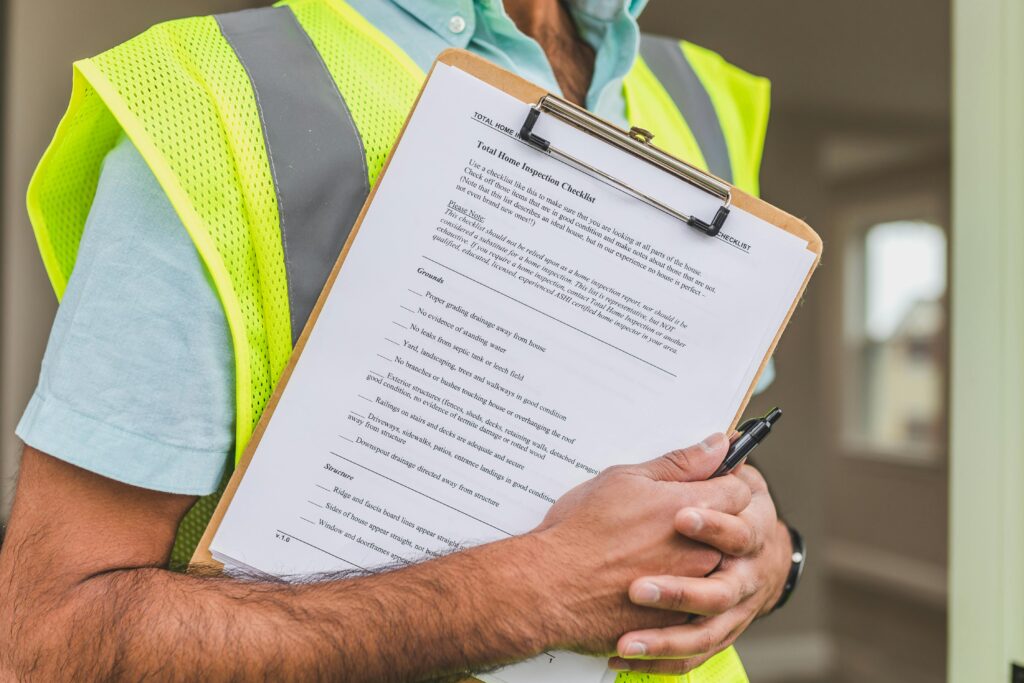
Section 1: What Is a Home Inspection?
A home inspection is a professional third-party assessment of a property’s condition, performed after your offer is accepted but before closing. The inspector evaluates major systems—including foundations, roofing, electrical, plumbing, HVAC, insulation, appliances, and safety issues—and delivers a detailed report to help buyers make informed decisions.
Although not legally required in most U.S. states, a home inspection is a critical safeguard, especially for first-time homebuyers who may not have the experience to identify hidden flaws. According to the National Association of Realtors, a standard inspection generally takes 2–4 hours and costs between $300–$500, depending on size and location (Investopedia, 2024).
Inspectors are typically certified by professional organizations such as the American Society of Home Inspectors (ASHI), which establishes quality and ethical standards for the industry (American Society of Home Inspectors, n.d.; Wikipedia, n.d.).
Section 2: What’s Included in a Standard Home Inspection
A standard home inspection is a non-invasive visual assessment of the property’s structure, systems, and components, designed to identify existing issues or potential future problems. While inspections don’t guarantee a home’s condition, they provide crucial insight for negotiations, budgeting, and peace of mind (American Society of Home Inspectors, n.d.).
Key Components Typically Covered
- Roofing – Condition of shingles, flashing, gutters, and signs of leaks or deterioration.
- Foundation & Structure – Evidence of cracks, settling, or water intrusion.
- Plumbing – Visible leaks, water pressure, drainage, and water heater condition.
- Electrical Systems – Panel safety, wiring type, and functionality of outlets/switches.
- HVAC Systems – Heating, ventilation, and air conditioning performance.
- Interior & Exterior – Windows, doors, insulation, siding, and general condition.
- Attics & Basements – Ventilation, insulation, moisture, and structural integrity.
Why It Matters
According to the American Society of Home Inspectors (ASHI), nearly 85% of buyers who get inspections use the results to renegotiate terms or request repairs before closing (ASHI, n.d.). Identifying hidden issues early can save thousands in unexpected repairs.
Limitations of a Standard Inspection
A standard inspection does not cover:
- Pest-specific evaluations (termites, carpenter ants)
- Environmental hazards (radon, asbestos, mold)
- Underground or concealed systems (septic tanks, buried wiring)
These require specialty inspections, which we’ll cover in a later section.
Section 3: Specialty Inspections
While a standard home inspection covers the essentials—foundation, roof, HVAC, plumbing, and electrical—many properties warrant specialty inspections that dive deeper into specific risks. Skipping these targeted evaluations can leave first-time homebuyers facing costly surprises.
Why It Matters
Specialty inspections are designed to uncover hidden hazards that general inspectors may not test for in detail. For example, a termite inspection can reveal infestations that compromise structural integrity, while a sewer scope inspection can identify cracked or clogged lines before they cause backups or flooding. The American Society of Home Inspectors (ASHI) notes that specialty add-ons are increasingly common in transactions where buyers want peace of mind before committing to the deal (ASHI, n.d.).
Common Specialty Inspections & Costs
- Pest / Termite Inspection – $100–$150; critical in regions prone to wood-destroying insects.
- Radon Test – $150–$300; recommended by the U.S. Environmental Protection Agency in areas with elevated radon levels (EPA, 2024).
- Mold Inspection – $300–$1,000; important for homes with past water damage or in humid climates (HomeAdvisor, 2025).
- Sewer Scope – ~$200–$500; vital for older homes or those with large trees near sewer lines (Angi, 2025).
- Asbestos / Lead Testing – $400–$800; recommended for homes built before 1980 (CDC, 2024).
Add-Ons That Surprise Buyers
- Sellers sometimes limit buyer access for specialty testing, requiring additional visits—and extra fees.
- Some lenders may require certain inspections (e.g., well water testing for FHA loans) before approving funding.
- Expedited scheduling can double the cost if a closing deadline is tight.
Tips for Buyers
- Review the seller’s disclosure for clues about past damage or repairs.
- Ask your agent if local market trends favor specific specialty inspections.
- Bundle multiple specialty inspections on the same day to save on travel fees.
- Negotiate inspection contingencies into your contract, giving you the option to withdraw or renegotiate based on findings.
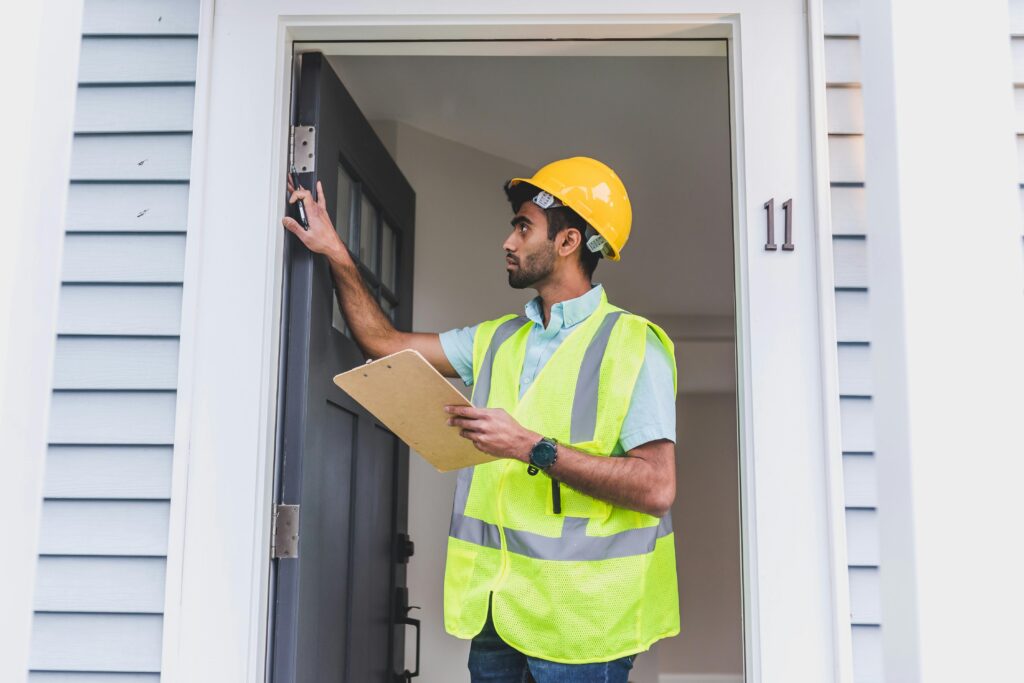
Section 4: How to Choose the Right Home Inspector
Choosing the right home inspector can make the difference between a confident purchase and a costly mistake. For first-time homebuyers, this decision is particularly important—your inspector is essentially the last line of defense before you commit to one of the largest investments of your life.
Why It Matters
A high-quality inspector can identify hidden defects that may cost thousands to repair, strengthen your negotiating position, and even help you back out of a bad deal. The American Society of Home Inspectors (ASHI) recommends selecting a certified inspector with significant experience, noting that “credentials and continuing education are key indicators of an inspector’s expertise” (ASHI, n.d.).
Key Qualifications to Look For
- Licensing & Certification – Some states require inspectors to be licensed; others rely on certifications from bodies like ASHI or InterNACHI (InterNACHI, 2025).
- Experience with Local Housing Stock – An inspector familiar with your area will know common local issues, such as soil movement, climate-related wear, or region-specific pests.
- Sample Reports – A detailed, photo-rich report indicates thoroughness. Vague or overly brief reports may leave you guessing.
- Ongoing Education – Inspectors who take regular training are more likely to be up to date on building codes and inspection techniques.
Add-Ons That Surprise Buyers
- Some inspectors offer bundled packages that include specialty inspections at a reduced rate.
- Weekend or evening appointments may come with a surcharge.
- Inspectors with advanced tech (thermal imaging, drone roof inspections) can charge more—but may spot issues others miss.
Tips for Buyers
- Interview Multiple Inspectors – Ask about their training, specialties, and years in the field.
- Check References & Reviews – Look for consistent praise on thoroughness and communication.
- Attend the Inspection – Being present lets you ask real-time questions and see issues firsthand.
- Confirm What’s Included – Make sure you understand which areas and systems are covered—and which are excluded.
Section 5: Common Red Flags Found in Inspections
Home inspections can uncover a wide range of issues—from cosmetic concerns to major structural hazards. For first-time homebuyers, knowing which red flags should trigger further negotiation—or even cause you to walk away—can save you from financial headaches and safety risks.
Why It Matters
Certain inspection findings can significantly affect the value, safety, and insurability of a property. The American Society of Home Inspectors (ASHI) notes that “serious defects can cost thousands of dollars to correct and may be deal-breakers if not addressed before closing” (ASHI, n.d.).
Major Red Flags to Watch For
- Foundation Problems – Large cracks, sloping floors, or sticking doors can indicate structural shifts that cost $10,000–$40,000 to repair (HomeAdvisor, 2025).
- Roof Damage – Missing shingles, sagging areas, or evidence of leaks can signal repairs from $5,000–$15,000 or more.
- Water Intrusion & Mold – Persistent dampness in basements, crawl spaces, or attics can lead to mold growth and wood rot, affecting both health and home value.
- Old Electrical Systems – Outdated wiring like knob-and-tube or aluminum can be a fire hazard and may not meet insurance requirements.
- Plumbing Issues – Galvanized or polybutylene pipes can corrode or fail, leading to costly water damage.
- HVAC Deficiencies – Systems near the end of their lifespan (15–20 years) can cost $5,000–$12,000 to replace.
Add-Ons That Surprise Buyers
- Termite or Pest Damage – Often found in wooden structural components and can be costly to remediate.
- Sewer Line Problems – Camera inspections sometimes reveal cracked or collapsed lines requiring trenching and replacement.
- Asbestos & Lead Paint – Common in older homes and expensive to abate.
Tips for Buyers
- Prioritize Safety Issues First – Structural, electrical, and water-related problems should be addressed before cosmetic repairs.
- Request Seller Credits or Repairs – Use your inspection report to negotiate repairs or financial concessions.
- Get Specialist Evaluations – For significant findings, bring in experts like structural engineers or licensed plumbers for deeper analysis.
- Don’t Skip the Reinspection – After repairs are made, have your inspector confirm that the work was completed correctly.
Section 6: Optional but Valuable Specialty Inspections
While a standard home inspection covers the basics, specialty inspections dig deeper into specific systems or potential hazards. For first-time homebuyers, these extra evaluations can provide critical information that might otherwise be overlooked.
Why It Matters
Specialty inspections often uncover costly or dangerous issues that don’t appear during a general inspection. According to the American Society of Home Inspectors (ASHI), “Specialty inspections can offer a more detailed look at high-risk systems, giving buyers a clearer picture of what they’re buying” (ASHI, n.d.).
These inspections may cost a few hundred dollars each, but they can save thousands in unexpected repairs or hazard mitigation later.
Common Specialty Inspections
- Radon Testing – Detects this invisible, odorless gas linked to lung cancer. Costs range from $150–$250 (EPA, 2024).
- Mold Inspection – Identifies hidden mold growth that can cause respiratory issues and property damage. Professional testing costs $300–$600.
- Sewer Scope – Uses a camera to inspect underground sewer lines for cracks, tree root intrusion, or collapse—repairs can exceed $10,000 (Angi, 2025).
- Pest & Termite Inspection – Looks for infestations that can weaken structural wood. Costs $75–$150, and some states require it before closing.
- Asbestos & Lead Paint Testing – Especially important in homes built before 1980 for asbestos and before 1978 for lead paint (CDC, 2024).
Add-Ons That Surprise Buyers
- Sellers may agree to cover the cost of some specialty inspections in competitive markets.
- Some inspectors offer package deals if multiple specialty tests are done at the same time.
- Results can be used not only for negotiation but also to request environmental remediation before closing.
Tips for Buyers
- Prioritize Based on Age & Location – Older homes or properties in high-radon areas should have targeted inspections.
- Check State Requirements – Some specialty inspections are mandatory in certain states or loan programs.
- Use Findings as Leverage – Even minor hazards can be a point for negotiation if remediation is costly.

Section 7: Negotiating Repairs and Credits After the Inspection
The inspection report isn’t just an informational document—it’s a negotiation tool. Once issues are identified, you have an opportunity to protect your budget before finalizing the deal.
Why It Matters
Inspection findings can shift the financial balance of a transaction. According to the National Association of Realtors (NAR), nearly 86% of home inspections lead to some form of repair request or credit negotiation (NAR, 2024). Whether it’s replacing a failing water heater or addressing roof damage, how you respond can save you thousands—or cost you the same if mishandled.
Approaches to Negotiation
- Request Repairs Before Closing
Sellers arrange and pay for fixes, often using licensed professionals. This guarantees the work is completed but limits your control over contractor selection or quality. - Ask for a Repair Credit
A seller credit at closing lets you choose your own contractor and oversee the work, ensuring standards and preferences are met. This is especially useful for time-sensitive or specialized repairs. - Seek a Price Reduction
Reducing the purchase price instead of asking for repairs or credits lowers your mortgage amount. This approach works well if you have cash on hand for immediate post-closing repairs.
Hidden Cost Considerations
- Sellers may inflate repair costs if they’re providing a credit—compare estimates yourself.
- Some lenders cap how much a repair credit can be, especially for FHA or VA loans.
- Work required to meet lender or insurer requirements must typically be completed before closing.
Tips for Buyers
- Prioritize Safety & Structural Issues – Focus on urgent repairs like electrical hazards, foundation cracks, or roof leaks.
- Get Multiple Estimates – Use licensed contractors to provide written quotes you can show to the seller.
- Document Everything – Put repair agreements in writing as part of the purchase contract to avoid disputes.
- Stay Flexible – In competitive markets, asking for every small repair could risk the deal—choose battles wisely.
Section 8: Re-Inspections and Final Walkthroughs
A home inspection doesn’t always end with the first report. If major repairs are negotiated, you’ll want a re-inspection to confirm the work has been done correctly and up to code. Then, just before closing, the final walkthrough ensures the property’s condition matches what was agreed upon.
Why It Matters
Re-inspections are your safety net. According to the American Society of Home Inspectors (ASHI), a re-inspection can prevent costly surprises by verifying repairs before you take ownership (ASHI, 2024). A final walkthrough, typically 24–48 hours before closing, gives you one last chance to catch unresolved issues—especially those that could affect safety, livability, or your ability to move in on schedule.
What to Check During Re-Inspection
- Confirm all negotiated repairs are completed, using receipts or proof from licensed contractors.
- Ensure replacements or fixes match the agreed scope—e.g., new water heater is same or better quality, not a downgrade.
- Test systems that were previously malfunctioning (e.g., HVAC, plumbing, electrical).
What to Check During the Final Walkthrough
- Look for new damage since the inspection—especially if the property was vacant.
- Test all appliances, lights, outlets, plumbing fixtures, and garage doors.
- Confirm all seller belongings are removed unless agreed otherwise.
- Verify that keys, remotes, access codes, and manuals are ready for transfer.
Hidden Costs & Risks
- Skipping re-inspections may leave you paying for repairs twice—once in a credit at closing, and again after discovering incomplete work.
- Sellers may use cheaper materials or unlicensed labor without disclosure.
- In hot markets, buyers sometimes skip re-inspections to speed closing—this can be an expensive gamble.
Tips for Buyers
- Always hire the same inspector for re-inspections—they’re familiar with the property’s condition.
- Bring your inspection report to the walkthrough and check items off in real time.
- Don’t rush—budget at least an hour for the walkthrough of an average-sized home.
- If issues arise, work with your agent to delay closing or escrow funds until resolved.
Final Thoughts
- Reiterate that inspections are an investment, not a cost
- How being proactive saves thousands and avoids buyer’s remorse
Section 9: Cost of Inspections and Budgeting for Them
Why It Matters
For first-time homebuyers, inspection costs can feel like “just another fee” in the already expensive buying process. But unlike some closing costs, inspections provide real, immediate value—protecting you from hidden repairs that could cost tens of thousands later. The American Society of Home Inspectors (ASHI) reports that the average cost for a general home inspection ranges from $300 to $500, depending on property size, age, and location (ASHI, 2024). Specialty inspections add to this but are often worth every penny for peace of mind.
Breaking Down the Costs
General Home Inspection: $300–$500 for most homes.
Specialty Inspections:
- Termite/Pest: $100–$150
- Radon: $150–$250
- Mold: $200–$300
- Sewer Scope: $150–$250
- Well/Septic: $250–$500
Re-Inspections: Often $100–$200, though some inspectors offer them at reduced rates if they performed the original inspection.
Hidden or Overlooked Costs
- Travel Fees: In rural areas, inspectors may charge extra mileage fees.
- Older Homes: Inspections for historic properties often require more time and specialized knowledge, which can increase costs.
- Multi-Unit Properties: Duplexes and triplexes require additional inspection time and reporting, adding to the bill.
- Emergency or Rush Scheduling: Can increase the fee by 20%–30%.
Tips for Budgeting
- Set Aside 1% of the Home Price: This covers inspection fees and any small repairs that may come up immediately after moving in.
- Ask for Seller Credits: In competitive markets, you might not get them—but in balanced or buyer-friendly markets, sellers often agree to cover inspection costs.
- Bundle Specialty Inspections: Hiring one company to handle multiple inspections can reduce per-test costs.
- Don’t Skip Specialty Inspections to Save Money: Skipping a $200 sewer scope could mean missing a $10,000 repair.
Example Budget for a $350,000 Home
- General Inspection: $400
- Termite: $125
- Radon: $200
- Sewer Scope: $175
- Re-Inspection: $150
Total: $1,050 — about 0.3% of the home price, but potentially saving thousands in avoided repair surprises.
Takeaway
Budgeting for inspections upfront—and including specialty inspections when needed—can protect your finances and your peace of mind. As a first-time homebuyer, view inspection costs not as a burden, but as an investment in your future home’s safety, comfort, and value.
Final Thoughts: Your Roadmap to a Smart Home Purchase
A thorough home inspection isn’t just a step in the buying process—it’s your safeguard against costly surprises and a foundation for confident homeownership. Let’s recap the key takeaways from each section:
- What a Home Inspection Is – It’s an objective, professional assessment of a home’s systems, structure, and safety. Knowing what’s included—and what’s not—helps you set realistic expectations.
- Why First-Time Buyers Need Inspections – Inspections protect you from unexpected repairs and give you leverage in negotiations, potentially saving thousands.
- When to Schedule Your Inspection – Timing matters. Booking early in the contract window ensures you have time to address any issues before closing.
- Choosing a Qualified Inspector – Look for inspectors with certifications (e.g., ASHI, InterNACHI) and strong reviews to ensure a thorough, unbiased evaluation.
- What’s Covered in a Standard Inspection – From roof to foundation, you’ll get a detailed look at your home’s core systems—but remember, some elements require specialty inspections.
- Specialty Inspections Worth Considering – Radon, mold, pest, and sewer inspections can uncover hidden hazards that standard inspections might miss.
- Reading & Understanding the Report – A good inspector’s report is a tool for decision-making, not just paperwork. Learn to spot major vs. minor concerns.
- Negotiating Repairs or Price Reductions – Use inspection findings strategically to request repairs, credits, or price adjustments without jeopardizing your deal.
- Cost of Inspections & Budgeting for Them – Plan ahead for inspection fees, especially if you’ll need specialty or re-inspections. It’s a small investment for major peace of mind.
Bottom Line:
As a first-time homebuyer, your inspection is more than a box to check—it’s your early warning system, negotiation leverage, and homeowner confidence booster. By knowing what to expect, budgeting appropriately, and using your findings strategically, you’ll step into homeownership with eyes wide open, not blindsided by costly surprises.
Next Step for You:
When you’re ready, pair this guide with our Closing Costs Breakdown and Financing Options Guide so you have a complete roadmap from offer to keys in hand. Knowledge is your best negotiating tool—and your best defense against buyer’s remorse.
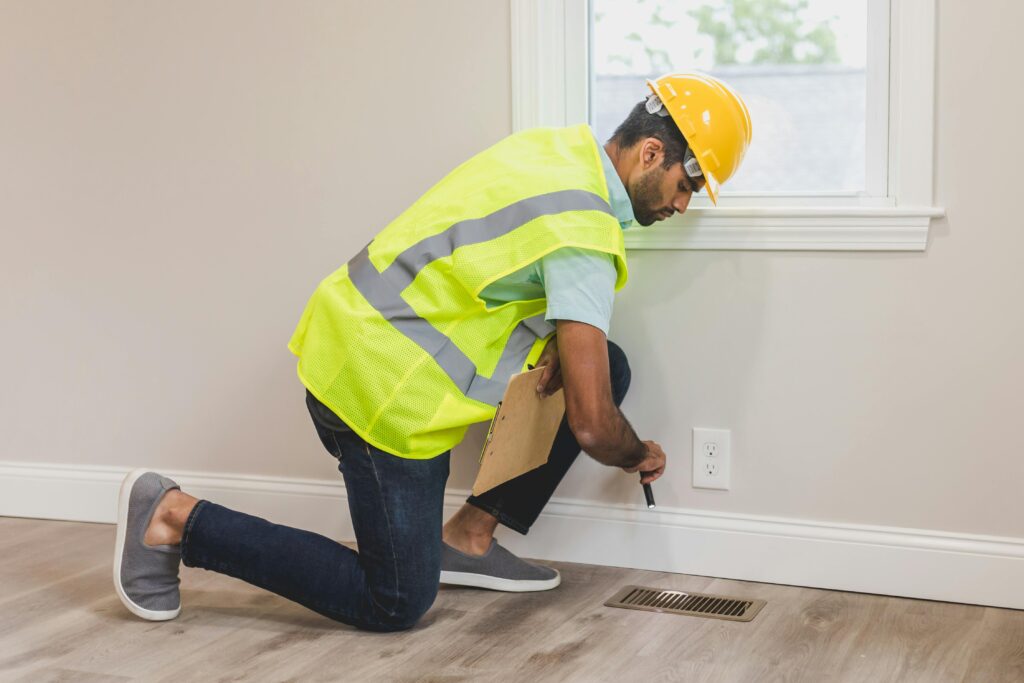
References
American Society of Home Inspectors. (2024). What to expect from a home re-inspection. https://www.homeinspector.org/
American Society of Home Inspectors. (n.d.). About ASHI. The American Society of Home Inspectors. Retrieved August 14, 2025, from https://www.ashi.org/
American Society of Home Inspectors. (n.d.). Home inspection checklist. https://www.homeinspector.org/HomeInspection/Resources-for-Homebuyers/Home-Inspection-Checklist
Angi. (2025). What is a sewer scope and do I need one?. https://www.angi.com/articles/what-sewer-scope-and-do-i-need-one.htm
Bankrate. (2024, March 18). What a home inspection covers—and what it doesn’t. Bankrate. https://www.bankrate.com/real-estate/home-inspection-guide/
Centers for Disease Control and Prevention. (2024). Asbestos. https://www.cdc.gov/niosh/topics/asbestos/
Centers for Disease Control and Prevention. (2024). Lead. https://www.cdc.gov/nceh/lead
Environmental Protection Agency. (2024). A citizen’s guide to radon. https://www.epa.gov/radon
Energy Star. (2023, November 9). Home performance assessments. U.S. Environmental Protection Agency. https://www.energystar.gov/campaign/home-performance-assessments
HomeAdvisor. (2025). Cost to repair a foundation. https://www.homeadvisor.com/cost/foundations/repair-a-foundation
HomeAdvisor. (2025). Mold testing cost. https://www.homeadvisor.com/cost/environmental-safety/test-for-mold/
InterNACHI. (2024, April 2). Home inspection standards of practice. International Association of Certified Home Inspectors. https://www.nachi.org/sop.htm
International Association of Certified Home Inspectors. (2025). About InterNACHI. https://www.nachi.org/
International Code Council. (2024, March 21). Residential building codes. ICC. https://codes.iccsafe.org/codes
Investopedia. (2024). How to negotiate after a home inspection. Investopedia. Retrieved August 14, 2025, from https://www.investopedia.com/how-to-negotiate-with-a-home-inspection-11689159
National Association of Realtors. (2024). 2024 Home buyers and sellers generational trends report. https://www.nar.realtor/
National Radon Program Services. (2024, February 20). A citizen’s guide to radon. Kansas State University. https://www.epa.gov/radon/citizens-guide-radon
National Pest Management Association. (2024, April 15). Termite inspections. NPMA. https://www.pestworld.org/termite-inspections/
Super Team Services. (2024, March 5). The ultimate guide to home inspections. Super Team Services. https://www.superteamservices.com/home-inspections-guide
U.S. Environmental Protection Agency. (2024). A citizen’s guide to radon. https://www.epa.gov/radon
Wikipedia. (n.d.). Home inspection. In Wikipedia. Retrieved August 14, 2025, from https://en.wikipedia.org/wiki/Home_inspection